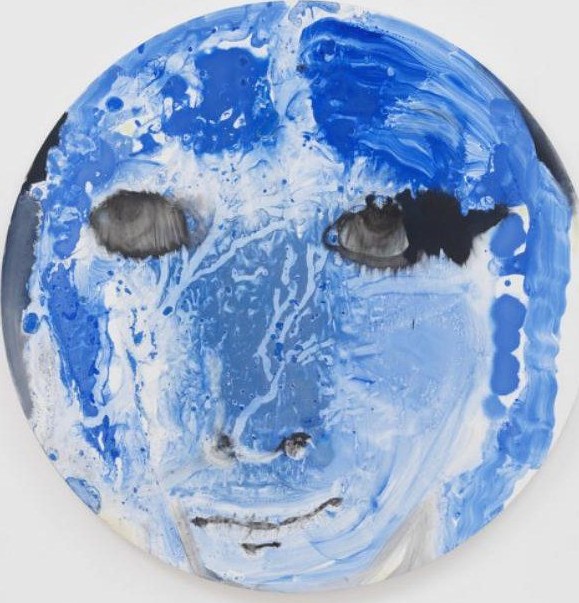
Marlene Dumas
South Africa, b. 1953
Skyros, 2016
Oil on panel
Diameter 150 cm
Why this artist
Dumas is one of the leading figurative painters of her generation, exploring identity, intimacy and the emotional power of images. Drawing on photographs, memory and the history of painting, she creates figures whose intensity often exceeds their spare treatment. Her work offers an immediate encounter and something more complex to return to over time. Major exhibitions at Tate Modern and Palazzo Grassi reflect her institutional standing. In May 2025, Miss January sold for $13.6 million at Christie’s New York, setting a world auction record for a work by a living woman artist.
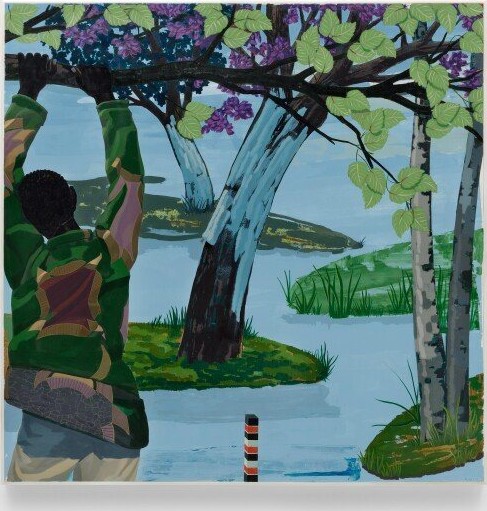
Kerry James Marshall
USA, b. 1955 · African diaspora
Untitled (Landscape), 2018
Acrylic on PVC in artist's frame
153.8 × 153.7 × 7 cm
Why this artist
Marshall places Black life at the centre of painting, bringing everyday experience into dialogue with portraiture, landscape and history painting. His carefully constructed compositions combine visual richness with close attention to who is represented, and how. They reward both an immediate response to the image and a deeper engagement with its references. His retrospective The Histories is at the Musée d’Art Moderne de Paris through January 2027. Past Times achieved $21.1 million at Sotheby’s in 2018, setting an auction record for a living African American artist.
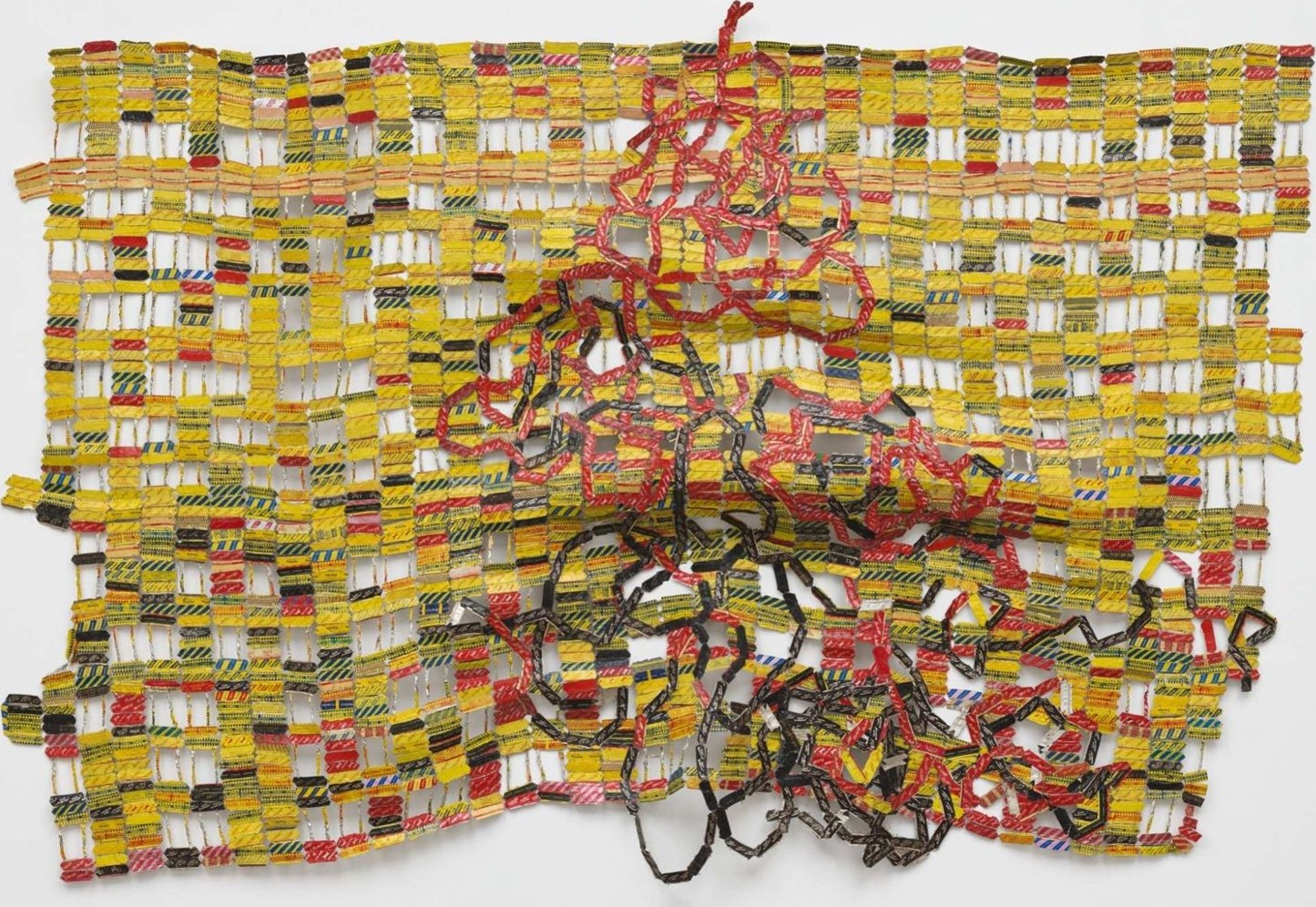
El Anatsui
Ghana, b. 1944
Bukpa Old Town, 2009
Aluminium and copper wire
213.4 × 325.1 cm
Why this artist
El Anatsui transforms discarded metal into expansive, fluid surfaces that connect material, trade and history. His works have the presence of sculpture and the movement of cloth, changing with light and installation. They offer a particularly rich dialogue between artwork and architecture. Awarded the Golden Lion for Lifetime Achievement at the 2015 Venice Biennale, he created Tate Modern’s monumental Turbine Hall commission Behind the Red Moon in 2023, reinforcing his position as a major figure in contemporary art.
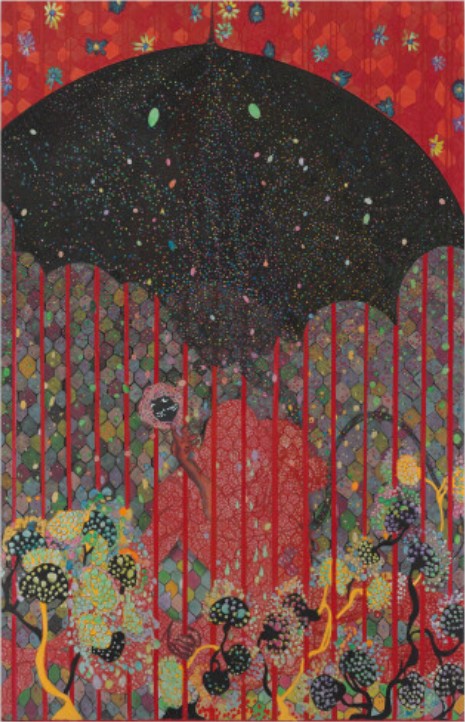
Chris Ofili
UK / Trinidad, b. 1968
Past Times: Narcissus and the silent stingray in the sky, 2016–2026
Oil and charcoal on linen
310 × 199.5 cm
Why this artist
Ofili brings mythology, spirituality and African and Caribbean influences into richly layered paintings. Colour and narrative create a distinctive atmosphere, moving between the intimate and the otherworldly, with details that reveal themselves gradually. A Turner Prize winner, he is the subject of Laure. Chris Ofili & Édouard Manet at the Pinacoteca Agnelli, Turin, through April 2027. His market standing is supported by the $4.5 million auction record established by The Holy Virgin Mary at Christie’s in 2015.
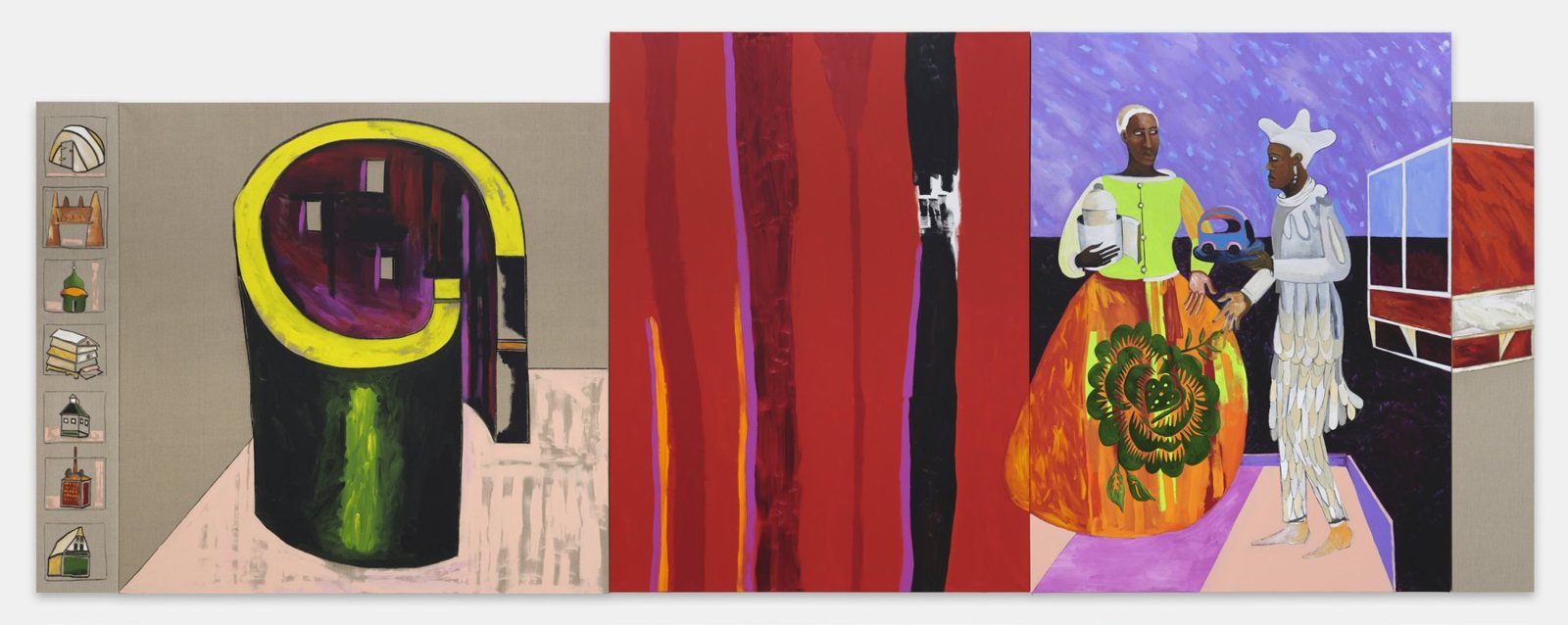
Lubaina Himid
Tanzania (Zanzibar) / UK, b. 1954
Architects, 2025
Acrylic and charcoal on linen
243.8 × 650 cm
Why this artist
Himid explores Black histories, cultural memory and belonging through painting. Her figures often occupy carefully constructed spaces, inviting us to imagine their conversations and relationships. Colour, pattern and narrative give the work a strong presence while leaving room for interpretation. A Turner Prize winner and a central figure in the Black British Art Movement, she represents Great Britain at the 2026 Venice Biennale. Her British Pavilion commission develops a recurring concern in her work: what it means to make a home in a new place.
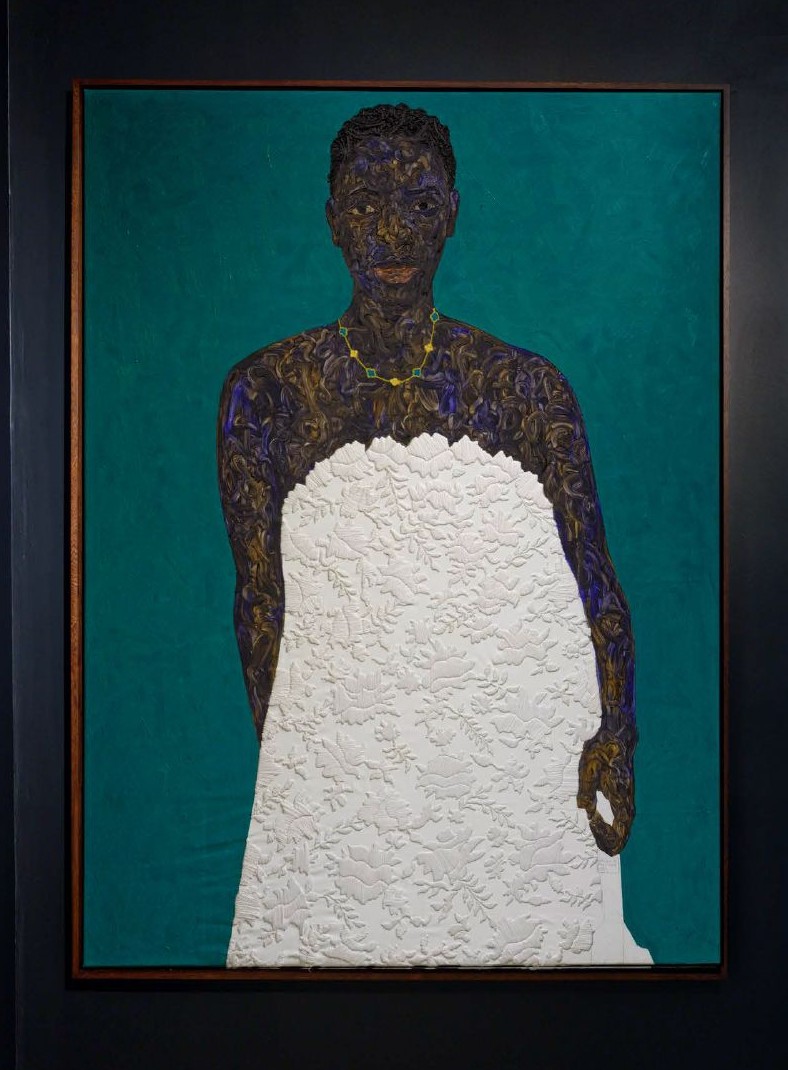
Amoako Boafo
Ghana, b. 1984
Malachite and Gold Alhambra, 2026
Oil and embroidery on canvas
200 × 144 cm
Why this artist
Boafo’s portraits give his sitters a vivid sense of individuality and self-possession. His expressive, finger-painted treatment of skin contrasts with patterned clothing and backgrounds, making the surface itself part of the encounter. The appeal lies in this balance of personality, touch and bold composition. His exhibition Proper Love at Vienna’s Belvedere in 2024–25 placed his work in dialogue with Viennese modernism. Hands Up established an auction record of approximately $3.4 million at Christie’s Hong Kong in 2021.
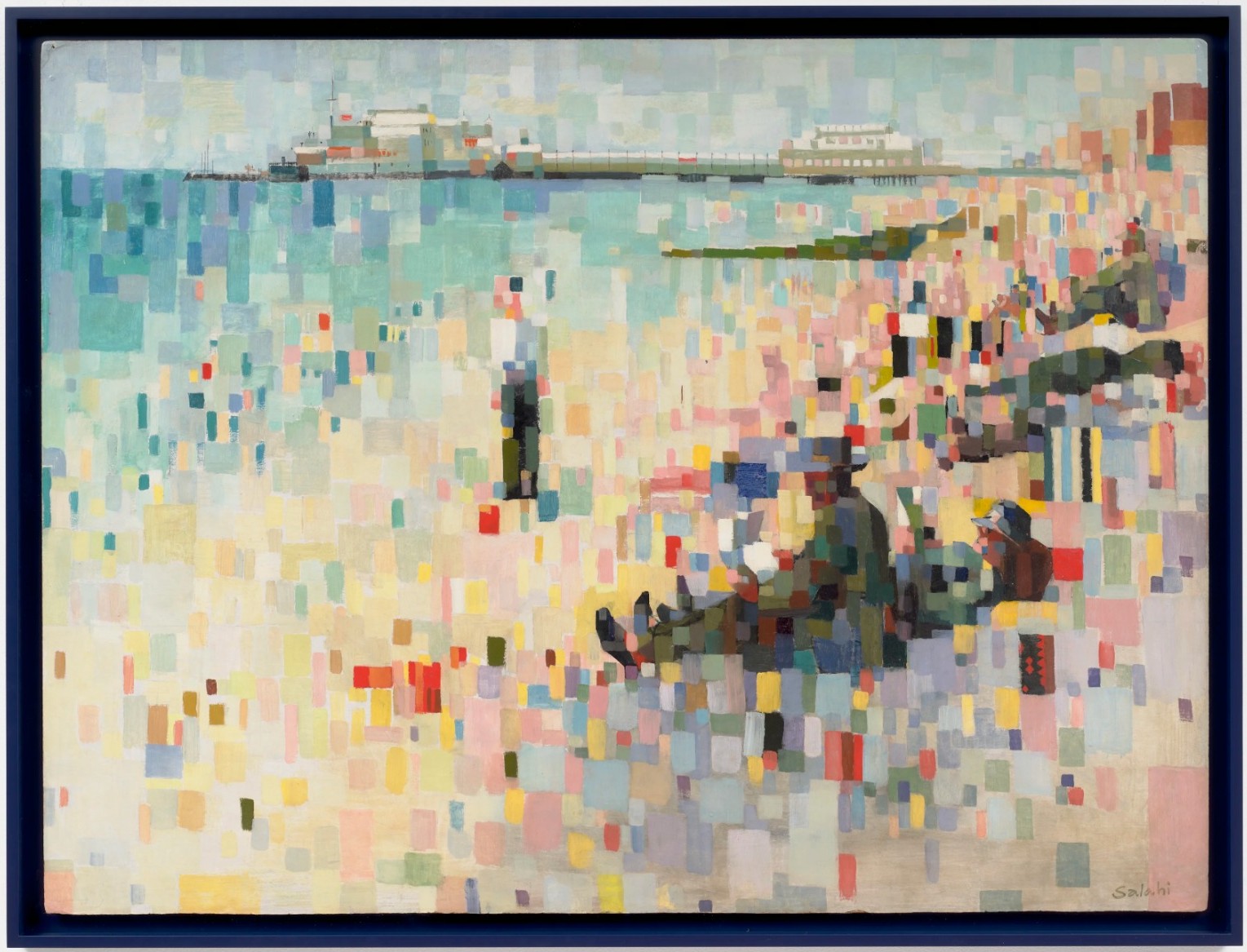
Ibrahim El-Salahi
Sudan, b. 1930
Untitled, 1957
Oil on masonite
91 × 122 cm
Why this artist
A foundational figure in African modernism, El-Salahi brings Sudanese visual traditions, Arabic calligraphy and modernist experimentation into a distinctive language. His 2013 Tate Modern retrospective was the museum’s first devoted to an African modernist, and his work has since entered the National Gallery of Art in Washington, the Museum of Modern Art in New York and Tate, which acquired thirty-one works in February 2026. His gallery reports that some 340 of his works have been sold to museums during the thirteen years of its representation, and a survey exhibition is confirmed at MASP in São Paulo in 2028 with Adriano Pedrosa.
The painting offered here is an early pre-pixel work made at the Slade School of Fine Art in 1957, and the largest painting from that group still available. The series stayed with the artist’s family until this year and has never been shown publicly before.
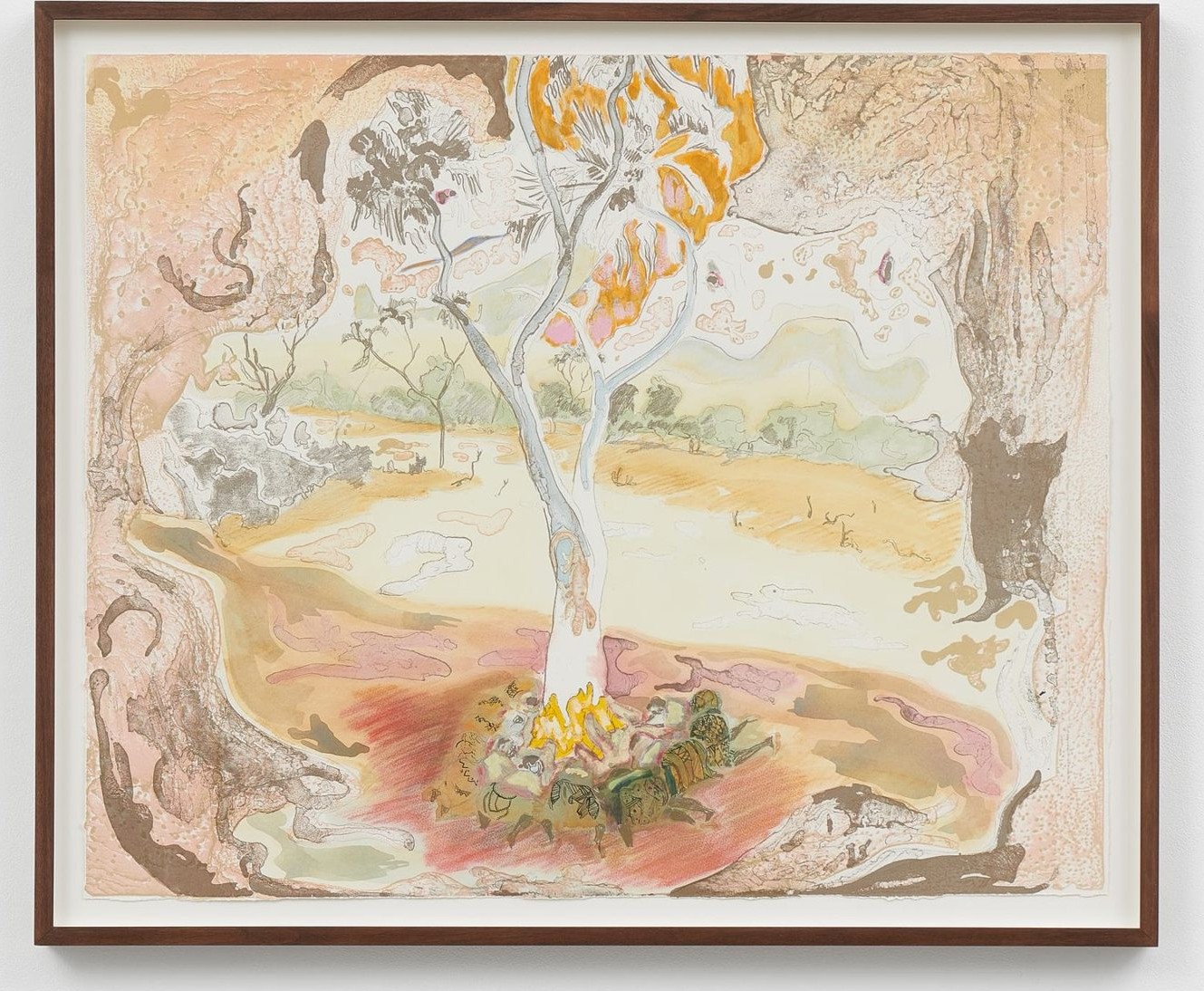
Michael Armitage
Kenya, b. 1984
Ewaso Niro, 2016–2017
Lithograph hand-finished with ink, watercolour, colour pencil and conté · Edition of 20
73 × 88.5 cm
Why this artist
Armitage draws on East African life, politics and storytelling, weaving observation and imagination into complex compositions. His distinctive surfaces and layered imagery give familiar scenes an unsettled quality, inviting the viewer to look beyond the apparent narrative. His works on paper offer a close view of how he develops figures, landscapes and ideas. Major exhibitions include Paradise Edict at the Royal Academy in 2021 and The Promise of Change at Palazzo Grassi in 2026.
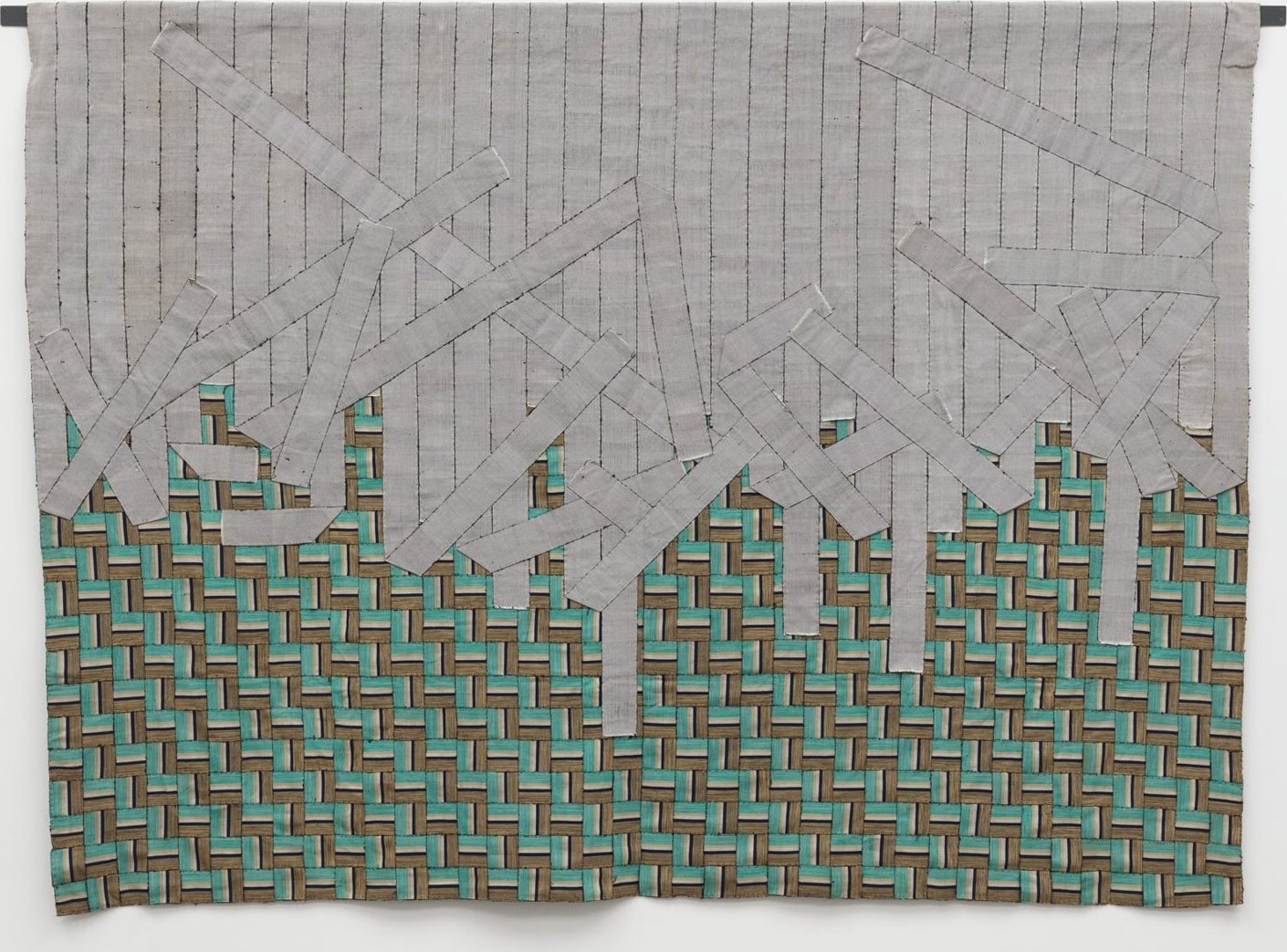
Ibrahim Mahama
Ghana, b. 1987
Kulo Nyaka, 2025–26
Hand-woven textile on hand-woven textiles
230 × 312 cm
Why this artist
Mahama works with materials that carry the marks of labour, trade and everyday use. His textiles draw attention to the people and systems behind their production, while their scale and texture give them a strong architectural presence. Their interest deepens as the histories of their materials come into view. His exhibition The Harvest Season at the Fondation Cartier in Paris, presented with nine invited artists and collectives, runs through February 2027 and demonstrates the breadth of his artistic and collaborative practice.
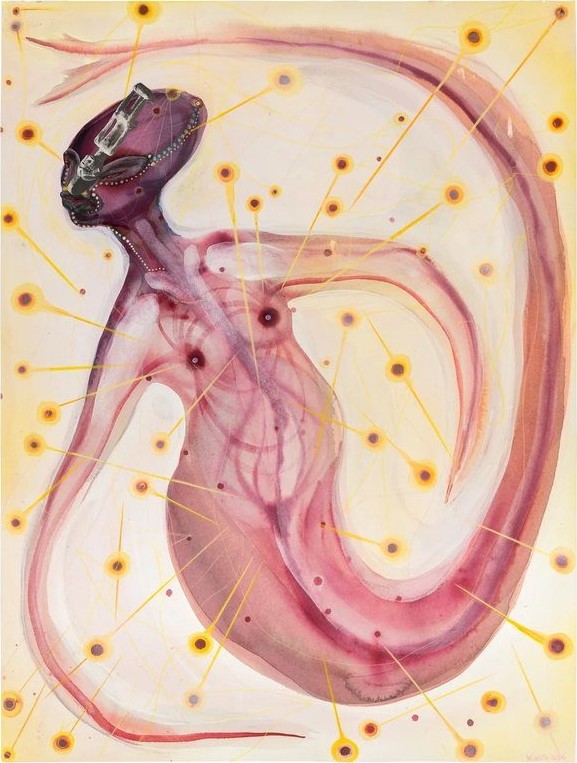
Wangechi Mutu
Kenya, b. 1972
ConstellationHer, 2026
Ink, collage and mixed media on watercolour paper
60.5 × 45.5 cm
Why this artist
Mutu creates hybrid figures that bring the human body into contact with plant, animal and imagined forms. Her collages combine delicate detail with a powerful sense of transformation, opening questions about identity, beauty and our relationship with the natural world. Her works on paper offer an intimate encounter with this imaginative language. Institutional recognition includes the Metropolitan Museum’s 2019 façade commission and Black Soil Poems at the Galleria Borghese in 2025, where her work entered into dialogue with the museum’s historic collection.
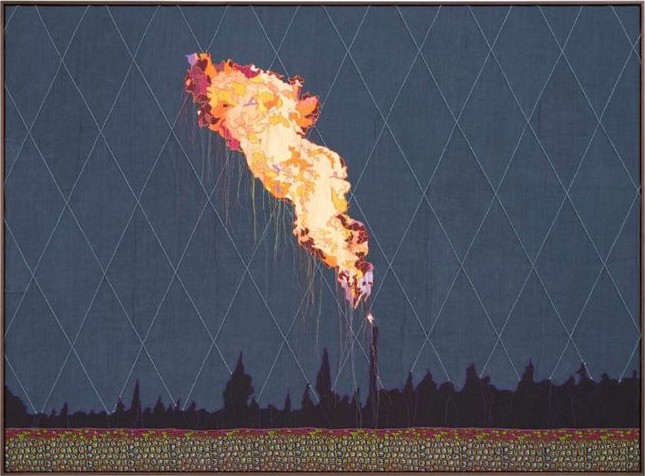
Yinka Shonibare
UK / Nigeria, b. 1962
Nature Works (Gas Flare, Nigeria) II, 2026
Patchwork, applique, quilting, hand dyed silk, linen and cotton and Dutch wax fabric
203 × 149.6 × 5.4 cm
Why this artist
Shonibare uses pattern, textiles and historical references to explore how cultures are formed through exchange, migration and power. His work is immediately engaging, with further layers revealed through its materials and subjects. His textile works bring that visual richness and questioning spirit onto the wall. The exhibition Sanctuary at the Rose Art Museum in 2026–27 extends his longstanding exploration of refuge and belonging, demonstrating how a recognisable visual language can continue to address urgent contemporary questions.
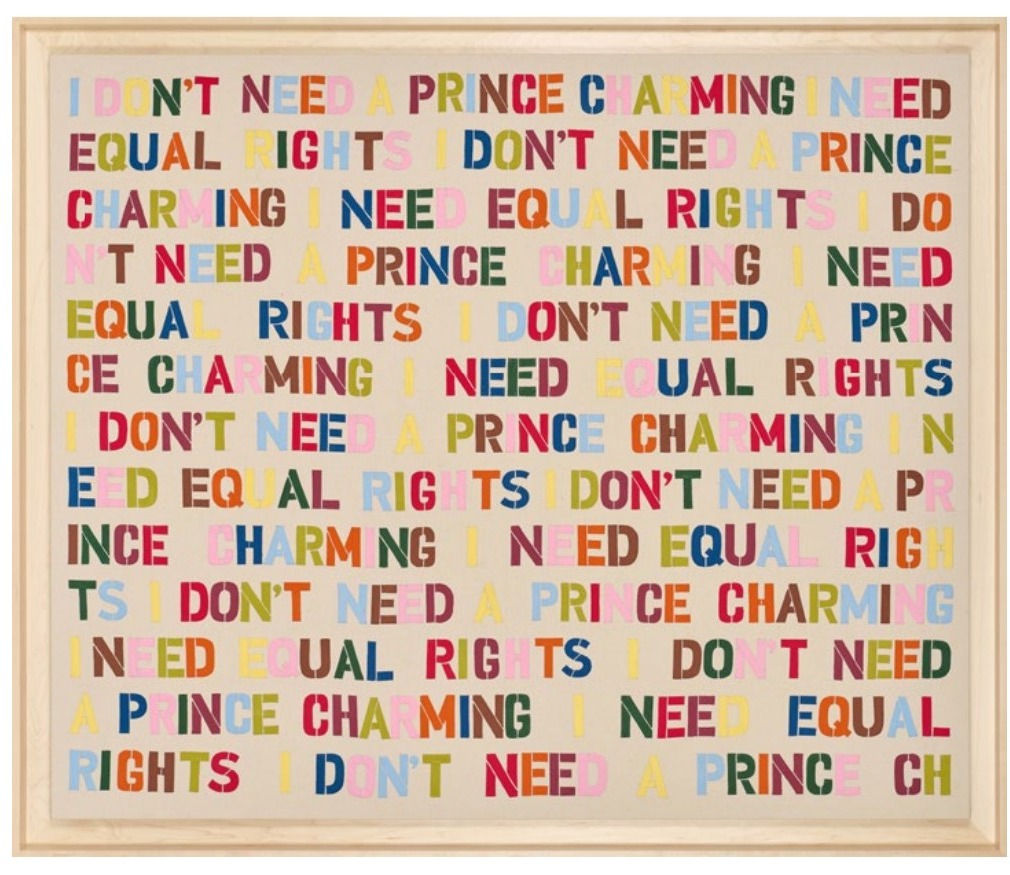
Ghada Amer
Egypt, b. 1963
The Prince, 2025
Cotton appliqué on canvas
123 × 150 cm
Why this artist
Amer brings embroidery and painting into conversation, using thread as both a drawn line and a material with its own cultural associations. Her work examines representations of women, desire and the act of looking. Figures emerge gradually through colour, stitching and pattern, rewarding close attention to the surface. Her first French retrospective, presented across three Marseille institutions including the Mucem in 2022–23, demonstrated the breadth of a practice that extends from painting into sculpture and garden installations.
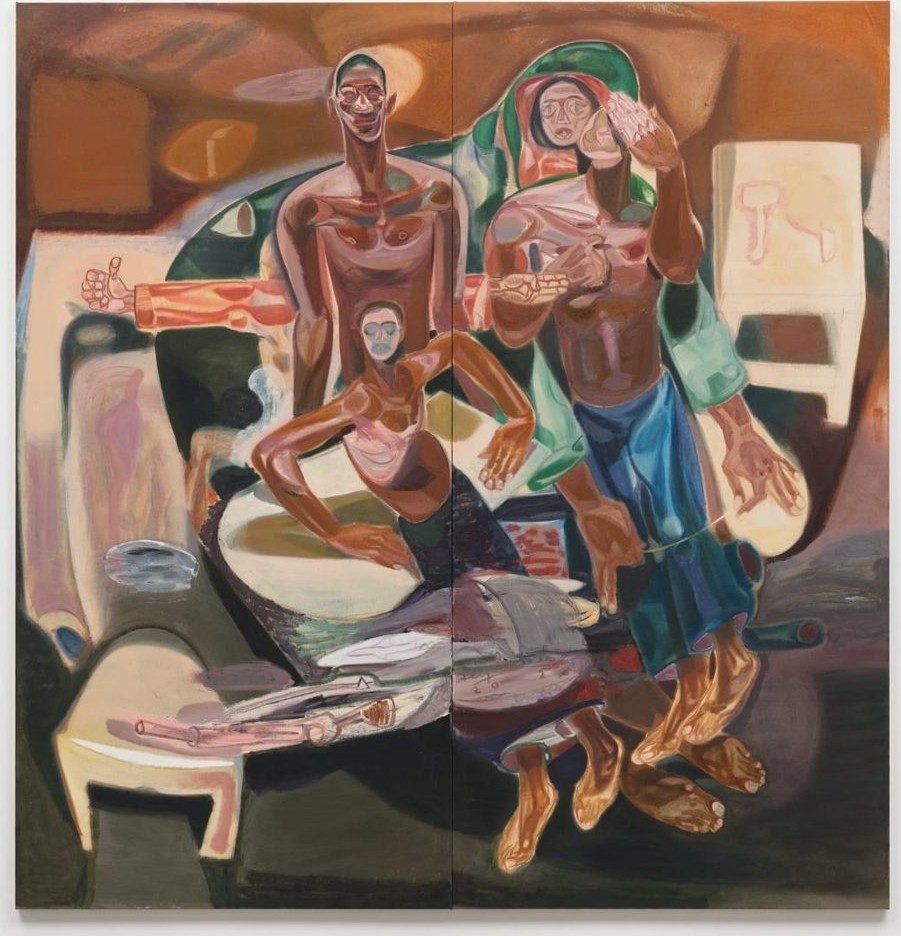
Tesfaye Urgessa
Ethiopia, b. 1983
Of what once was, 2026
Oil on canvas · Two parts
270 × 260 cm
Why this artist
Urgessa’s paintings place expressive human figures within densely constructed spaces. Bodies, objects and fragments of interiors come together in compositions that feel both intimate and unsettled, with narratives that resist a single reading. His work offers physical presence and emotional complexity for a collector drawn to ambitious figuration. Selected for Ethiopia’s inaugural national pavilion at the 2024 Venice Biennale, he has brought international attention to a distinctive contemporary Ethiopian painting practice.
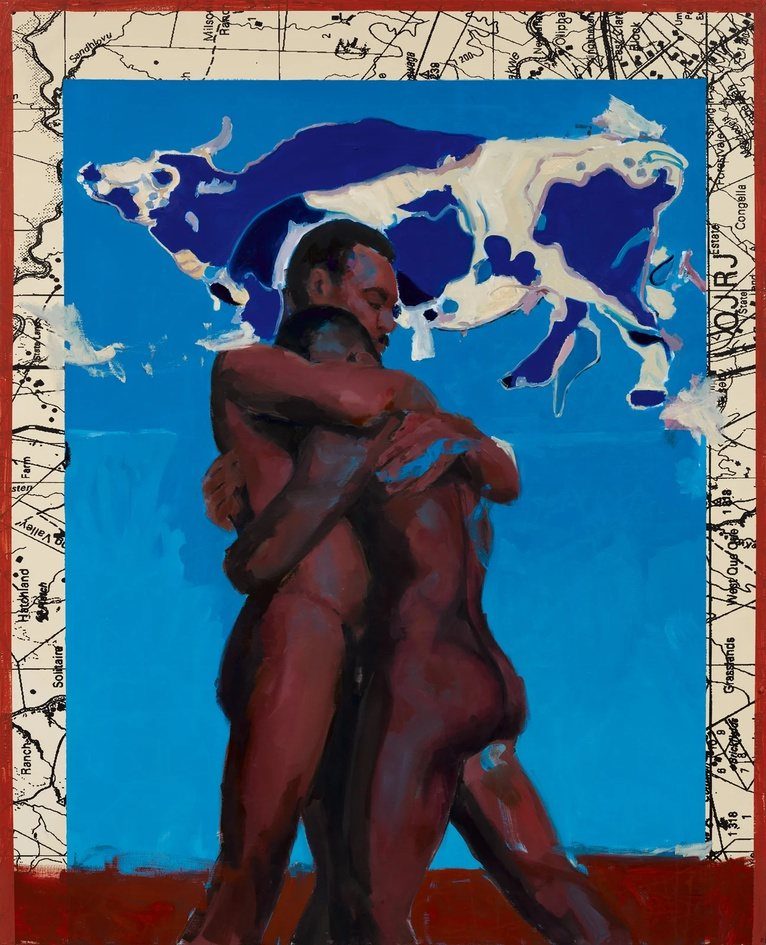
Kudzanai-Violet Hwami
Zimbabwe, b. 1993
Animus, 2025
Oil and acrylic on linen
180 × 146 cm
Why this artist
Hwami brings together photographs, personal memories and imagined spaces in paintings that explore identity and belonging. Her layered compositions move between private experience and wider cultural references, allowing the figure to feel familiar while its surrounding story remains open. She was one of four artists representing Zimbabwe at the 2019 Venice Biennale. Her work offers a distinctive perspective on how images, migration and memory shape our sense of self.
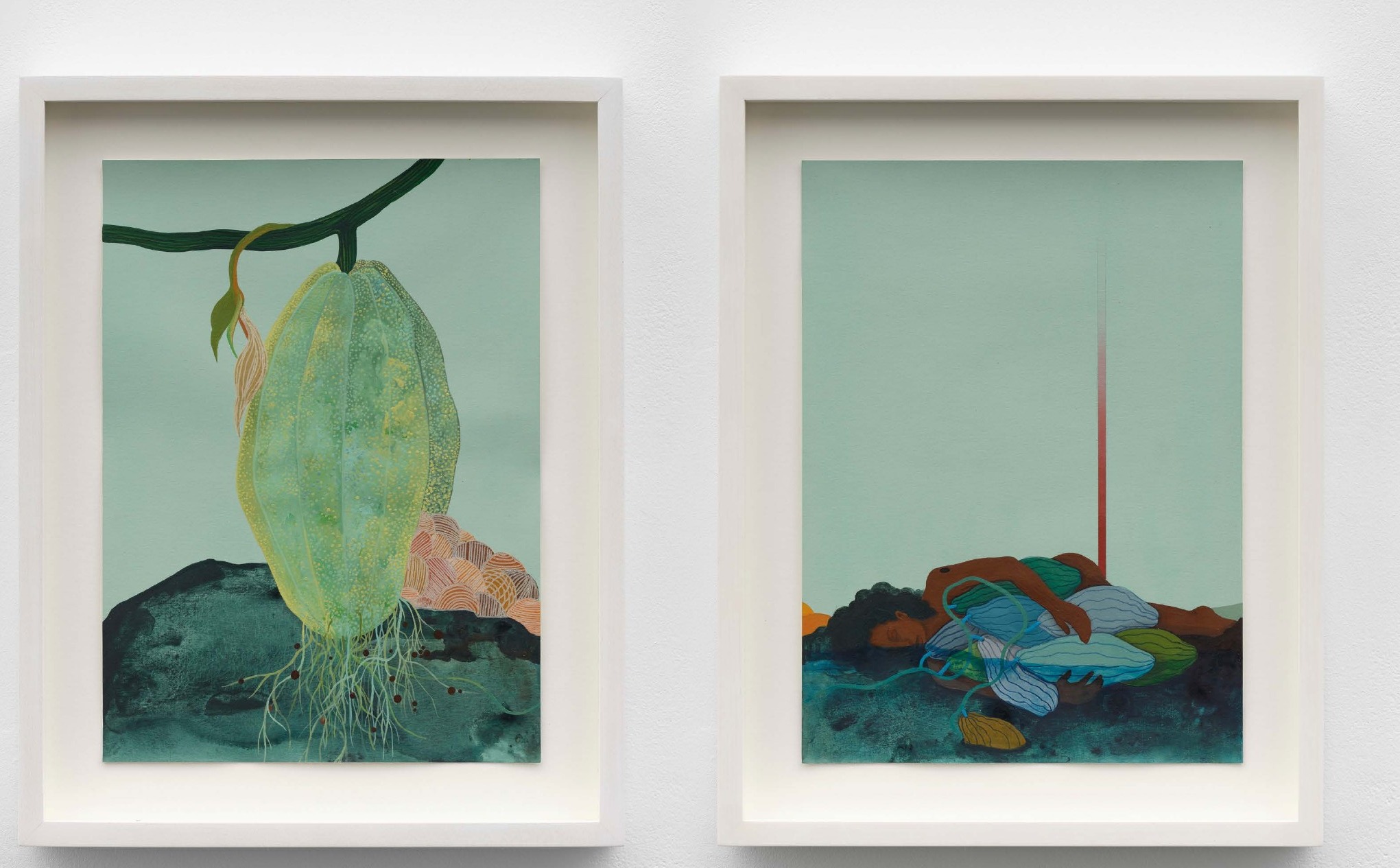
Otobong Nkanga
Nigeria, b. 1974
Opulence & Subsidence, 2025
Acrylic and carbon on paper (pair)
Each 28.5 × 20.5 cm
Why this artist
Nkanga explores the connections between landscape, natural resources and human experience. Moving between drawing, textiles and installation, she traces how materials link places and lives. Her works on paper offer an intimate entry into this wider practice, combining precise detail with a broader sense of connection. Her exhibition I dreamt of you in colours at Malmö Konsthall, running through March 2027, brings these concerns together in a major institutional presentation.
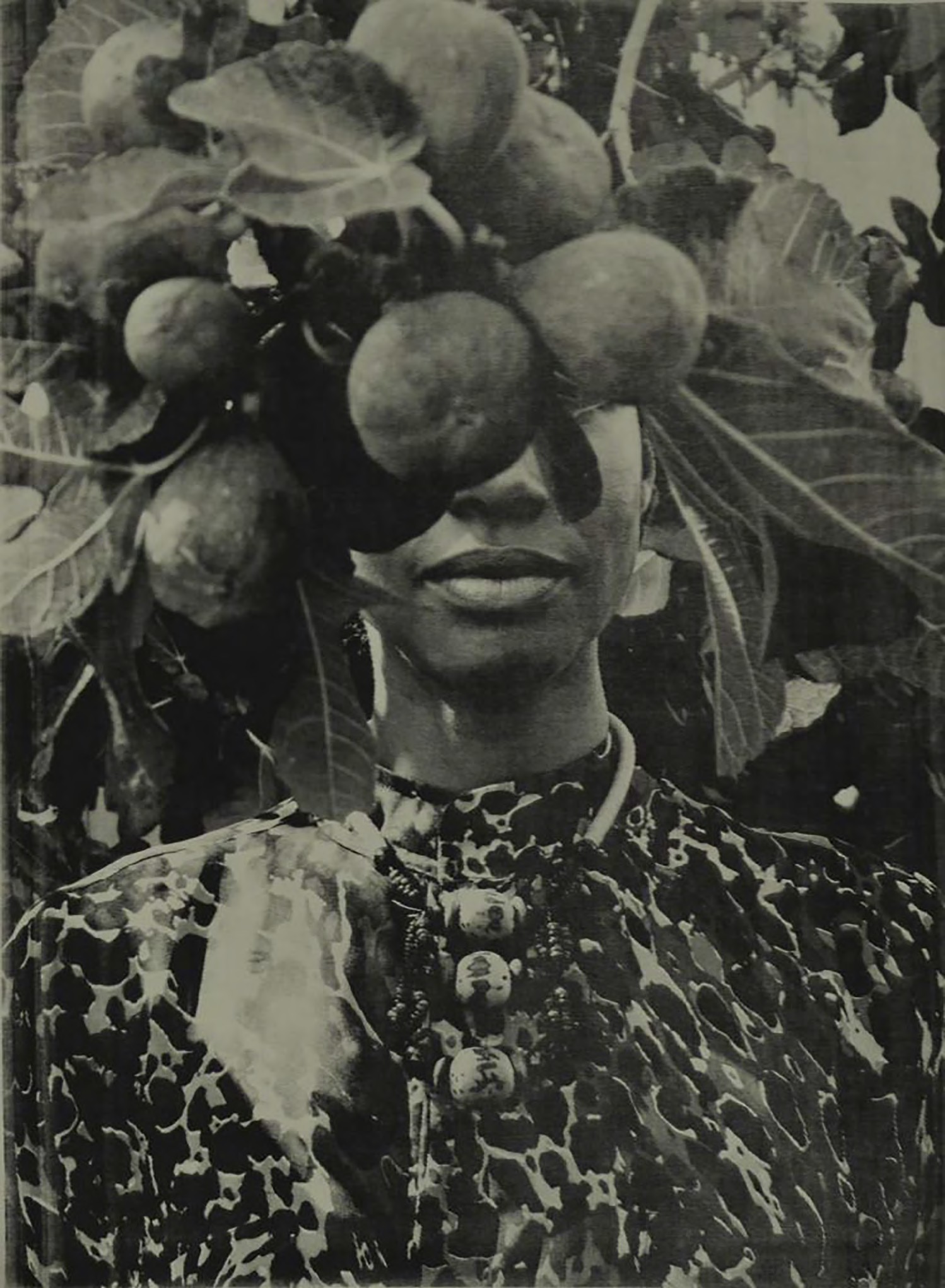
Zohra Opoku
Ghana / Germany, b. 1976
Ficus Carica, 2015–16
Screenprint on textile · Edition of 4
105 × 79 cm
Why this artist
Opoku combines photography and textiles to explore identity, ancestry and the ways we preserve memory. Images become part of fabric, layered with stitching and personal references to create tactile surfaces that feel like intimate archives. Her work connects portraiture with the experience of belonging across cultures. Participation in the Sharjah Biennial and a major survey at Zeitz MOCAA in Cape Town in 2025–26 reflect growing institutional recognition of the depth and distinctiveness of her practice.
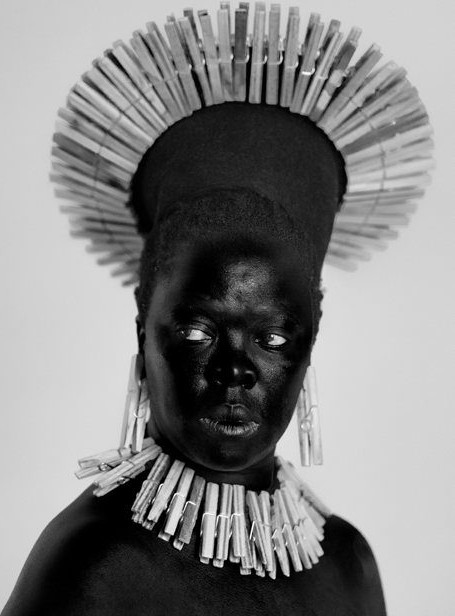
Zanele Muholi
South Africa, b. 1972
No-Nkululeko, Room 1201, Avenida Nossa Senhora de Copacabana, Rio de Janeiro, 2026
Baryta print mounted on Dibond (Framed) · Edition 1 of 8, 2AP
80 × 53 cm
Why this artist
Muholi’s photography centres Black LGBTQIA+ lives, with portraiture serving as both personal expression and a record of visibility. Their self-portraits use light, contrast and everyday materials to create images of striking authority. Immediate visual impact is matched by a sustained examination of identity, dignity and representation. Their major Tate Modern survey returned in an expanded form in 2024–25, following its original 2020–21 presentation, offering a comprehensive view of this influential photographic practice.
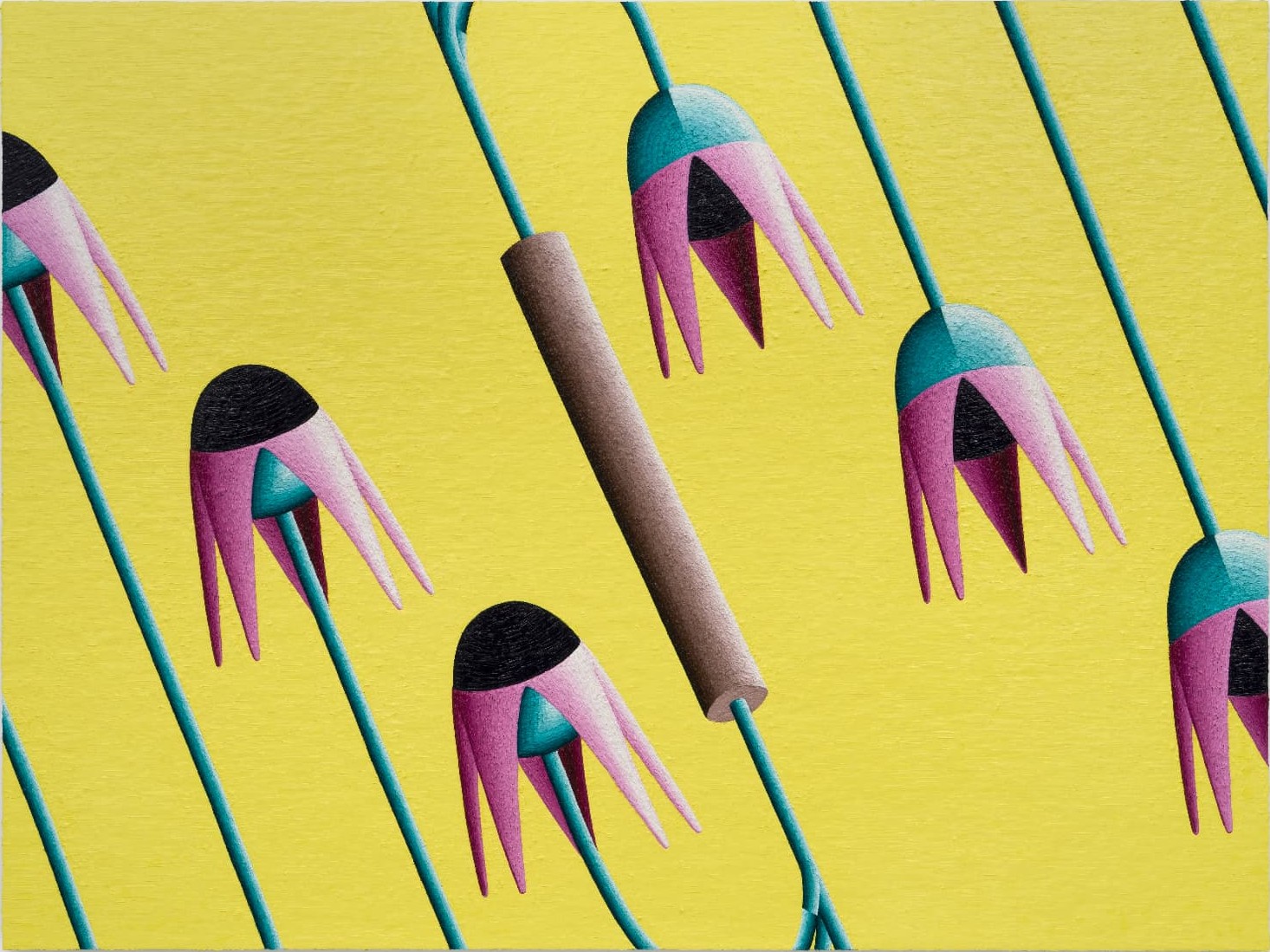
Nadia Nejma Ayari
Tunisia / USA, b. 1981
Vortex II, 2026
Oil on canvas
205.7 × 274.3 cm
Why this artist
Ayari builds richly textured paintings in which plant forms become the protagonists. Her carefully worked surfaces and concentrated compositions give organic motifs a strong physical presence, revealing the relationship between the painted image and the material that forms it. For a collector receptive to botanical imagery alongside human figuration, her work offers a distinctive exploration of colour, texture and form, with details that reward sustained looking.
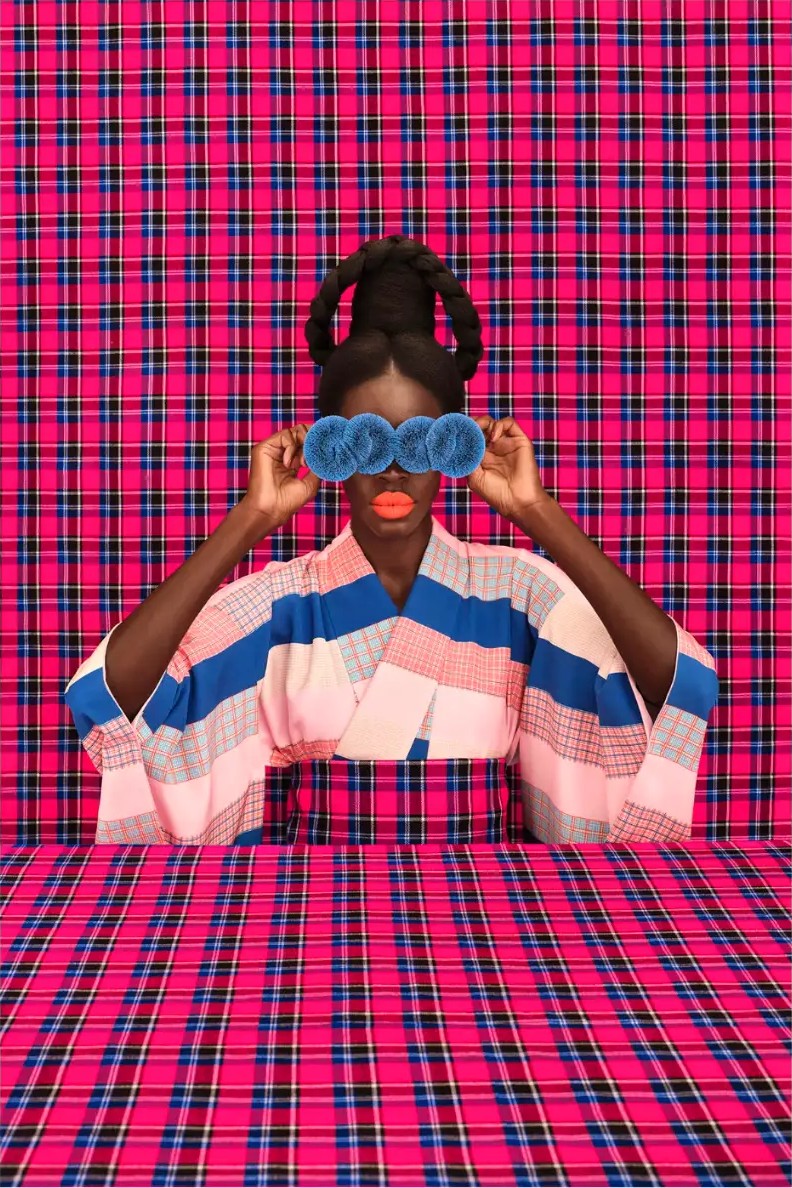
Thandiwe Muriu
Kenya, b. 1990
The Colour of Chocolate, 2026
Fine art print on paper · Edition of 3 + 2 AP (#2/3)
150 × 100 cm
Why this artist
Muriu’s photographs bring portraiture into dialogue with textiles, pattern and inventive styling. Her sitters emerge from richly patterned surroundings, creating a deliberate tension between visibility and concealment. The images have immediate graphic appeal, with closer looking revealing their careful construction and celebration of individuality. Her participation in KYOTOGRAPHIE 2026 included CAMO and new work developed through a Kyoto residency, extending her exploration of identity through an exchange with Japanese textile traditions.
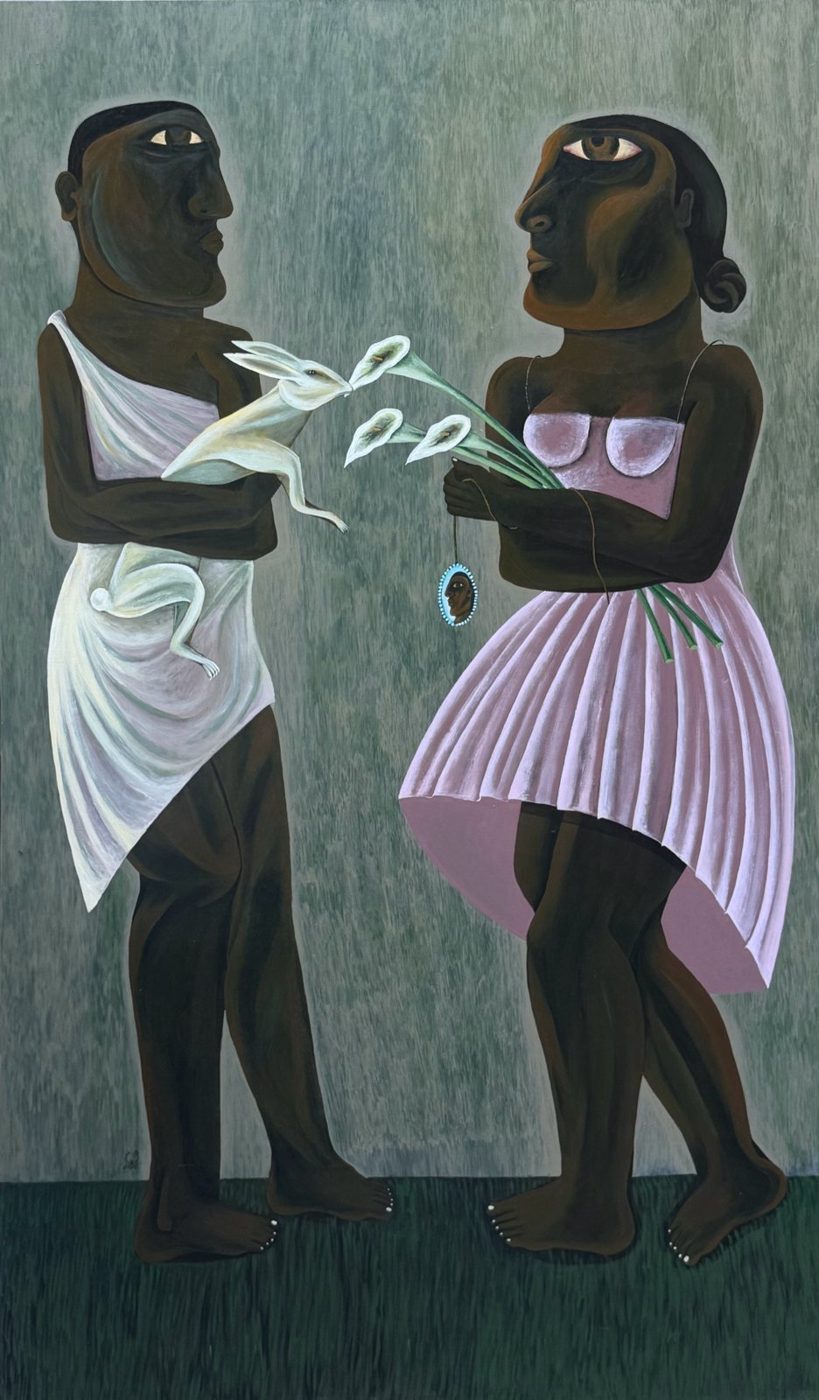
Souad Abdelrasoul
Egypt, b. 1980
A Memory Between Fear and Flowers, 2026
Acrylic on canvas
150 × 250 cm
Why this artist
Abdelrasoul brings human, animal and botanical forms together in paintings that explore women’s relationships with their surroundings. Her imagined worlds allow figures and landscapes to merge, suggesting connections between bodily experience, emotion and nature. The work offers a poetic form of figuration, combining vivid colour with narratives that remain open. Its appeal lies in the balance between an engaging image and the more complex psychological world it suggests.
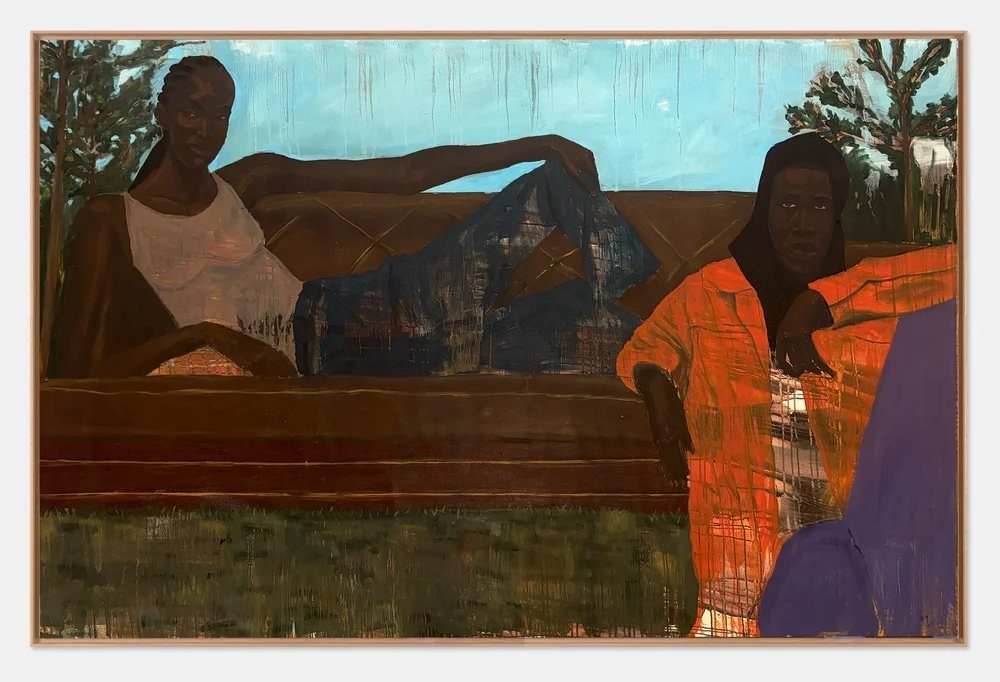
Matthew Eguavoen
Nigeria, b. 1988
Does their conscience not echoes, 2026
Acrylic and oil on canvas
152 × 244 cm
Why this artist
Eguavoen uses figurative painting to explore identity, relationships and contemporary Nigerian experience. His portraits provide a direct human connection, while their settings and compositions suggest wider social narratives. His 2024 solo exhibition Ukhurhę in Paris addressed mental health and its social stigma. His work offers an opportunity to engage with a younger Nigerian painting practice through images that connect personal experience with broader questions about the society his figures inhabit.